Blog/Wide Format
Floor decals and wall graphics: putting every surface to work
Floors and walls are the largest surfaces inside a business, and usually the least used. How graphics on them can direct, promote and brand.
Inside most businesses, the largest surfaces are the floor and the walls. They are also the ones used least. A painted wall and a bare floor do their job, but they can do more: guide visitors, announce a promotion or show who the company is.
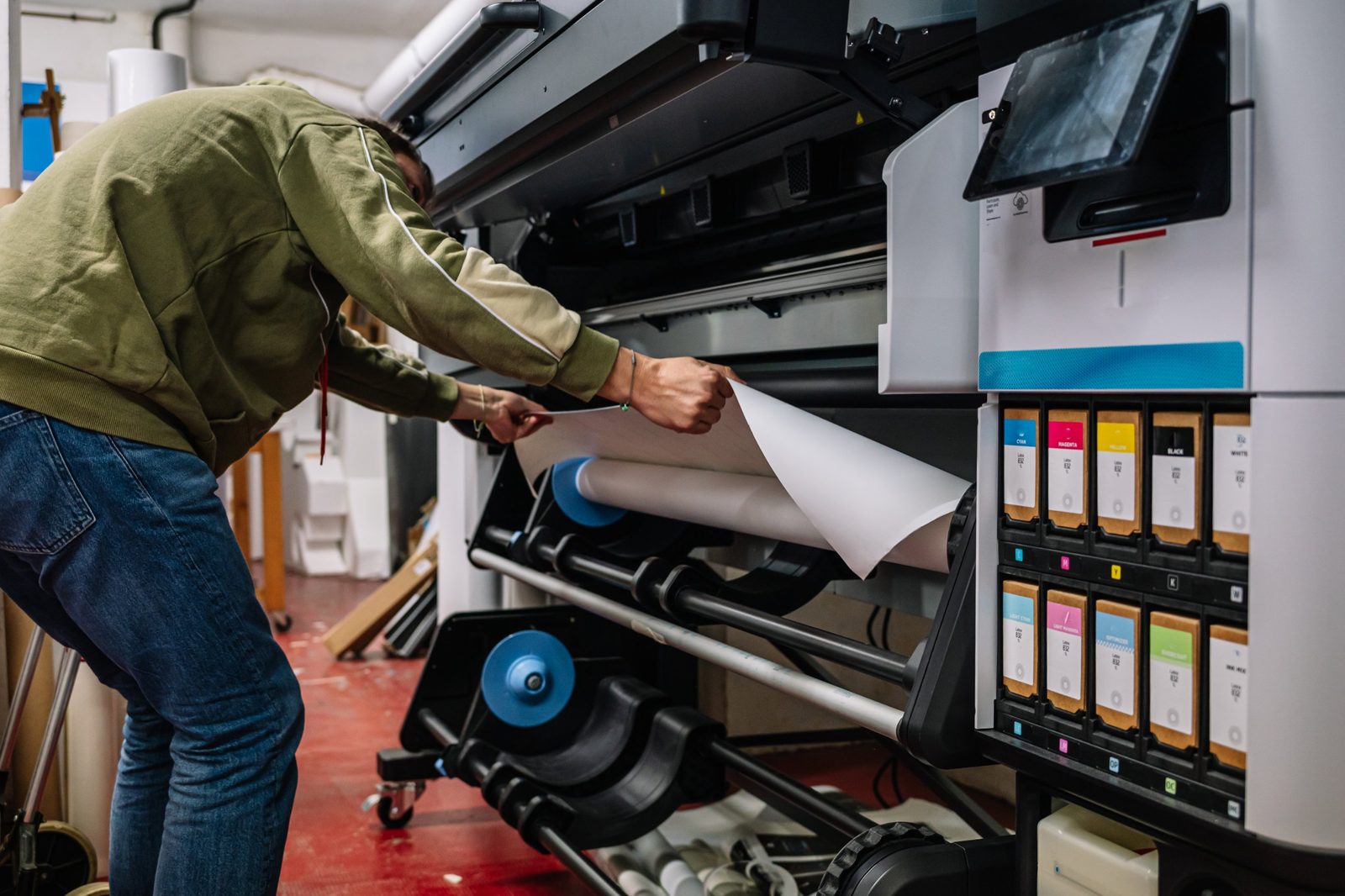
Floor decals and wall graphics are printed on adhesive materials made for each surface. They are installed without construction, and many of them can be removed or replaced when the message changes.
What floor graphics are used for
- Directions. Arrows and paths that lead to the register, the pickup counter, the fitting rooms or the exit.
- Promotions. A graphic placed in front of a shelf or a display reaches the customer at the moment of the decision.
- Queues. Markers that show where a line begins and where to wait.
- Safety. Marked walkways, restricted areas and reminders in warehouses and production areas.
- Events. Logos and messages at entrances, in lobbies and in exhibition spaces.
People look down more often than is generally assumed, particularly while walking. A message on the floor is difficult to miss.
What to consider for floors
Floor graphics are not ordinary vinyl. They are produced with a textured, slip-resistant laminate designed for foot traffic. This is a safety requirement, and it is the first point to confirm with any supplier.
- The surface. Smooth, sealed floors such as tile, vinyl and polished concrete give the best results. Carpet and rough or unsealed concrete need different materials.
- The traffic. An area with carts or pallet jacks wears a graphic faster than one with foot traffic only.
- Cleaning. Let us know how the floor is cleaned, since machines and strong products affect how long the graphic lasts.
- Duration. A weekend promotion and a permanent safety marking call for different materials.
- Shape. Rounded corners resist lifting better than sharp ones.
What wall graphics are used for
- Reception and lobby walls. A logo, a brand color or an image that identifies the company as soon as a visitor enters.
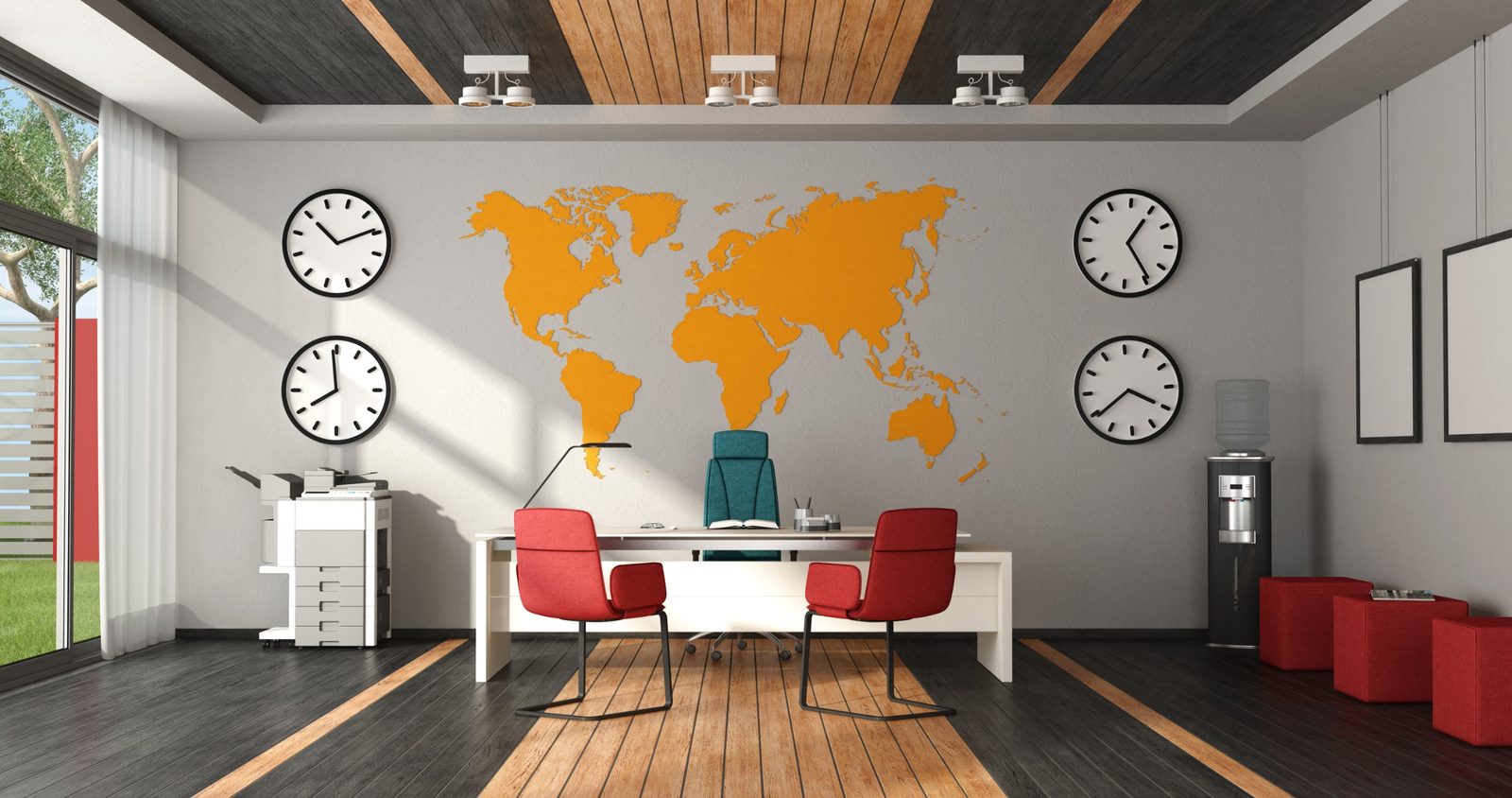
- Company identity. Mission and values, a timeline of the company's history or a map of the places it serves.
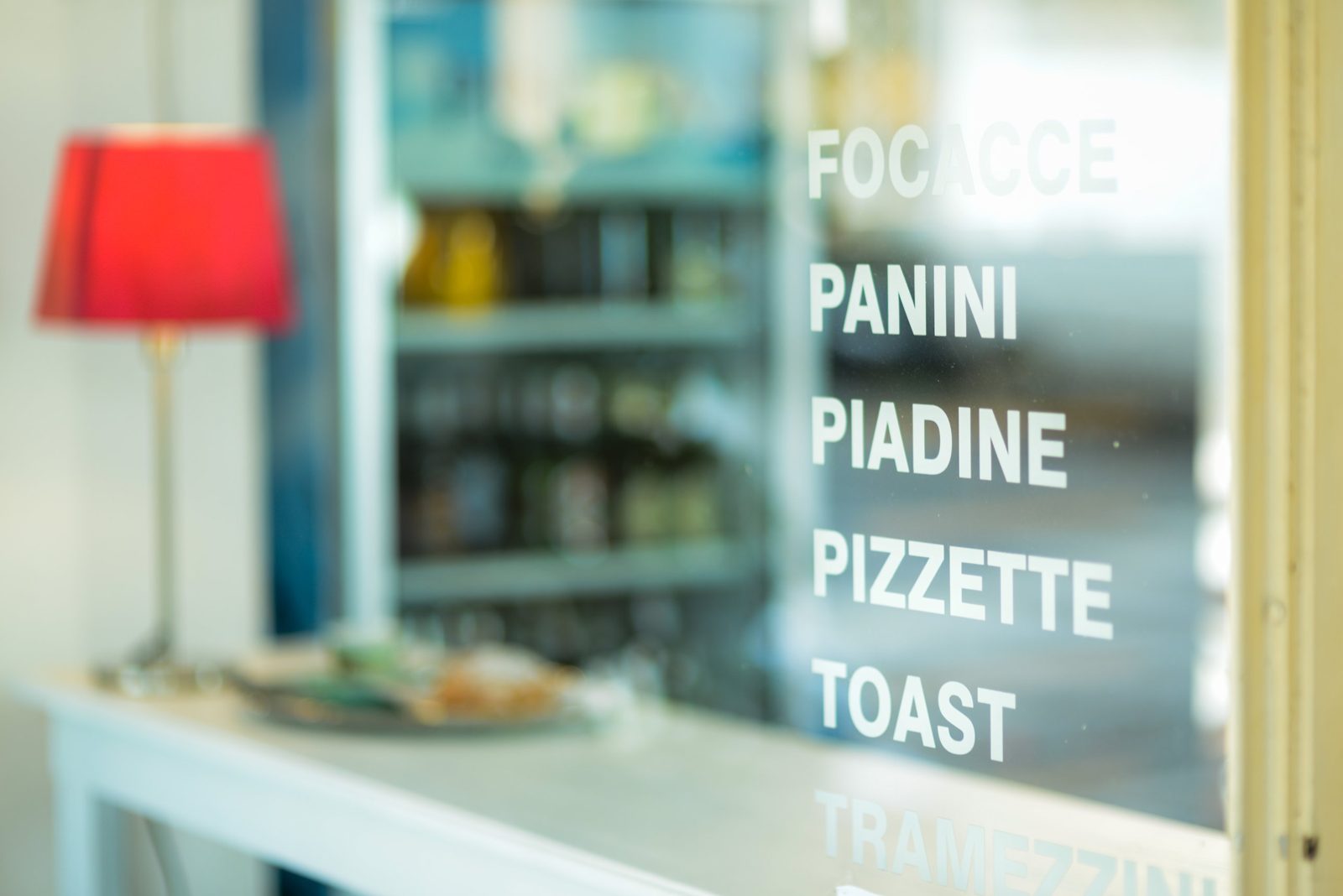
- Retail and restaurants. Menus, product photography and seasonal campaigns.
- Directions. Large floor numbers, department names and arrows, as part of a wayfinding system.
- Full coverage. Printed wallpaper that turns an entire wall into a single image.
A wall graphic changes how a space is perceived without changing the space itself.
What to consider for walls
- The paint. Fresh paint needs time to cure before a graphic is applied. Some paint finishes hold adhesive better than others.
- The texture. Smooth walls are the simplest. Textured walls and concrete block require materials made for them.
- Permanent or removable. Removable materials are available for leased spaces and for graphics that will change.
- Obstacles. Switches, outlets, vents and door frames should appear in the measurements and photographs, so the design can work around them.
- Viewing distance. A wall seen from across a lobby and one seen in a narrow hallway need images of different size and resolution.
Using floors and walls together
The two surfaces are most effective when they are planned as one route. A floor graphic at the entrance leads a visitor in a direction. A wall graphic confirms the destination. In a store, the floor can lead to a display and the wall behind it can carry the promotion.
The same applies to glass. Our post on window graphics describes how the storefront can begin the message that continues inside.
Information to send for a quote
- The width and height of each wall or floor area
- Photographs of each surface, including one from a distance
- The type of surface: paint finish, tile, concrete or other
- Whether the graphic is temporary or permanent
- Whether installation is needed
If there is a wall or a floor in your business that could be doing more, send us the measurements and a few photographs. We will recommend a material for the surface and prepare a proposal.