Blog/Signage
Hurricane season and outdoor signs: what holds up and what to check
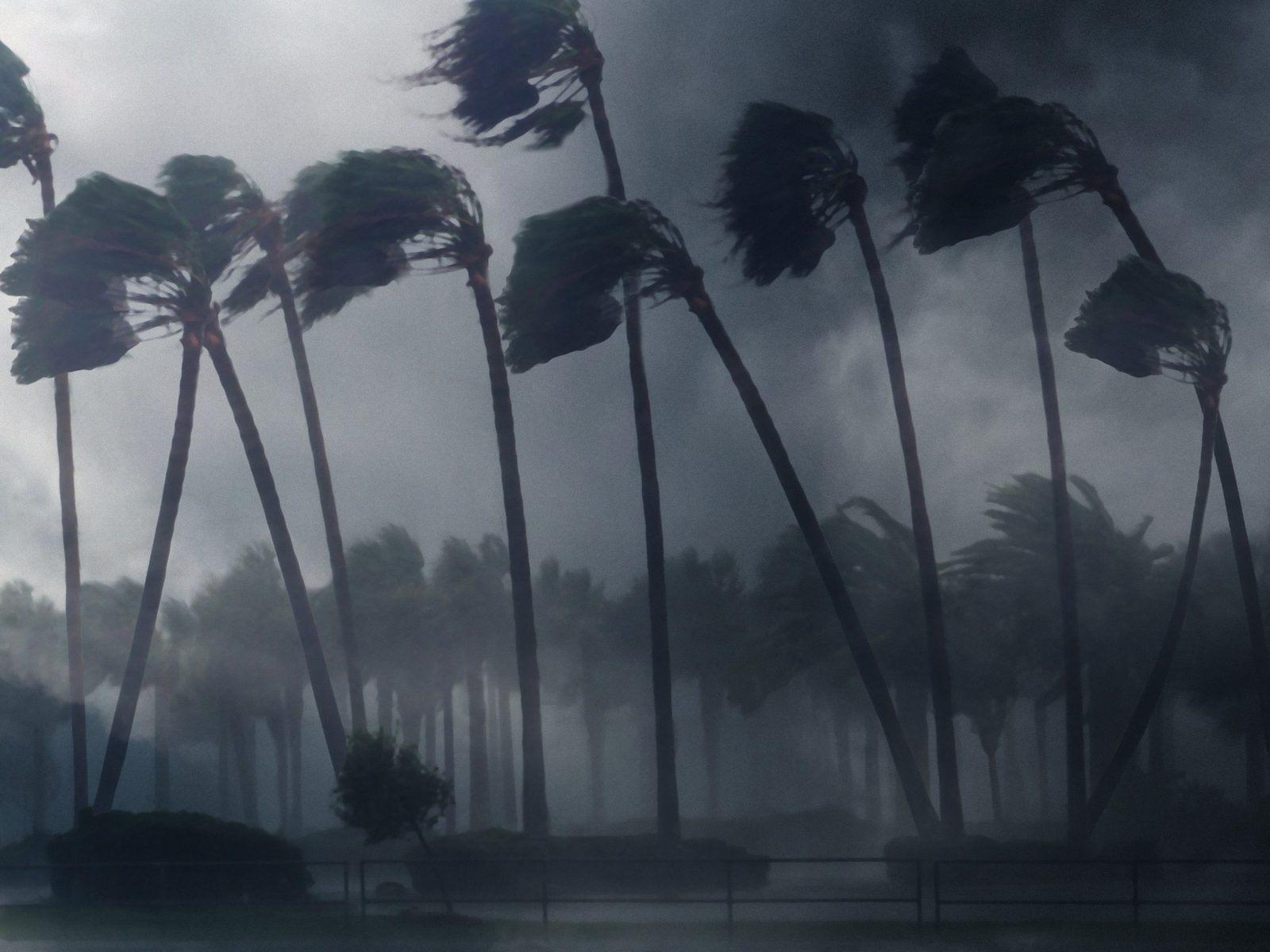
Signs and banners are among the first things a storm tests. A short checklist before, during and after a warning helps protect them, and the people near them.
The Atlantic hurricane season runs from June 1 to November 30, and according to the National Hurricane Center its peak falls around September 10, with most activity between mid-August and mid-October. For businesses in Puerto Rico, that makes this the time of year to look closely at everything installed outside the building.
Signs, banners and flags are exposed to wind by design. They are meant to be seen, so they sit high, face open areas and present a large flat surface. Preparing them takes little time, and it reduces the risk of damage to the sign, to the building and to anyone nearby.
Permanent signs and temporary signs behave differently
It helps to separate outdoor signage into two groups.
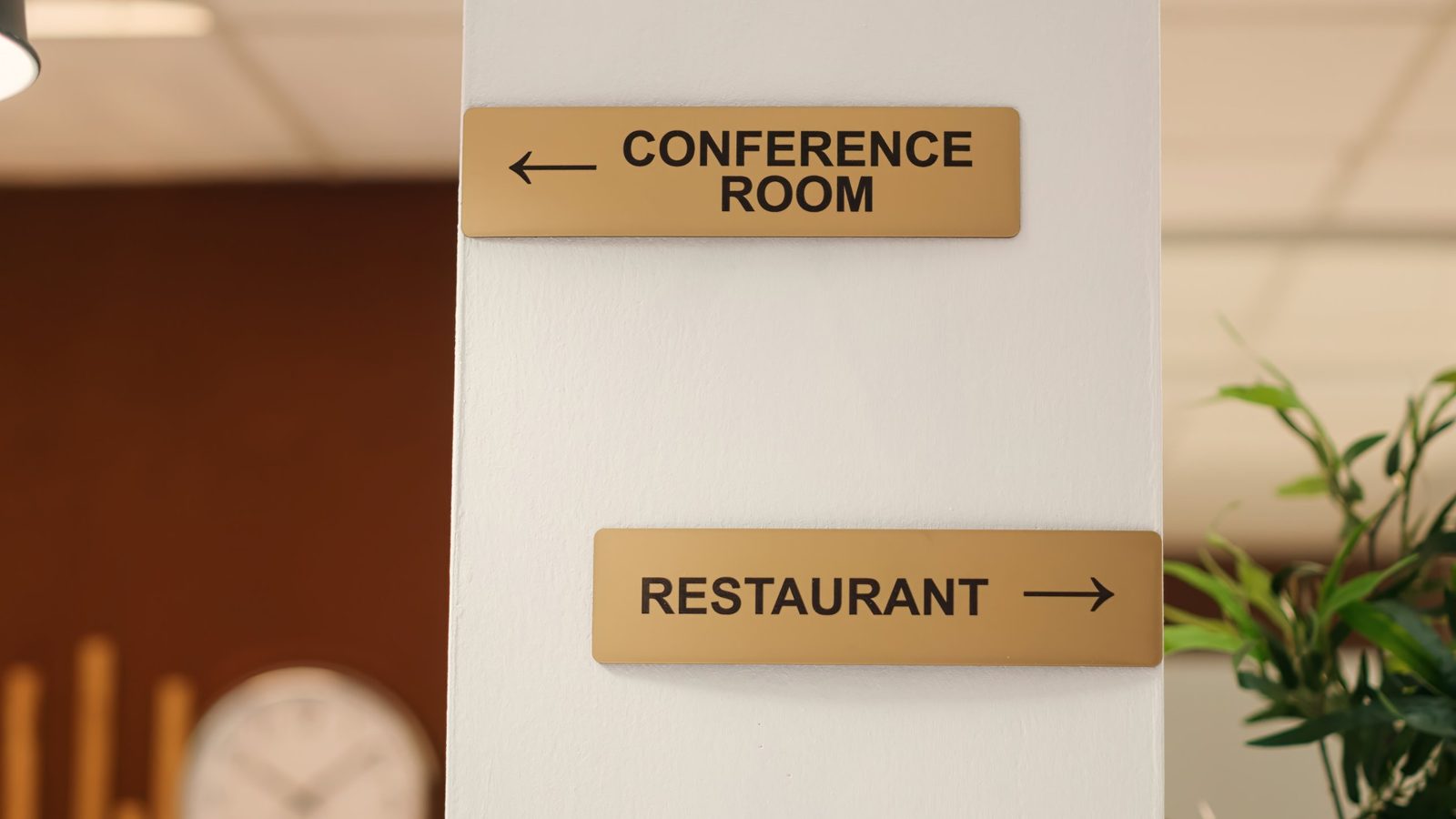
Permanent signs are attached to the building or to their own structure: wall signs, dimensional letters, illuminated cabinets and monument signs. When they are properly installed and maintained, they are designed to stay in place.
Temporary signs include banners, feather flags, A-frame sidewalk signs, yard signs and anything held by ropes, bungees or weights. These are designed to be moved, and before a storm they should be.
In strong wind, a banner is a sail. It should come down before the storm arrives, not during it.
Before the season: inspect what is installed
A walk around the property at the start of the season, and again at its peak, catches most problems while they are still small. We suggest checking the following:
- Fasteners and brackets. Look for rust, missing screws and brackets that have pulled away from the wall.
- Sign faces and panels. Cracked or loose faces can separate from the frame in high wind.
- Letters and trim. Individual letters that move when touched should be re-secured.
- Poles and bases. Check for corrosion at ground level, where water collects.
- Banner hardware. Confirm that grommets, ropes and frames are in good condition and that banners can be removed quickly.
Coastal locations deserve extra attention. Salt air accelerates corrosion, and hardware that looks sound from the ground may be weaker than it appears.
When a storm is announced: remove what can move
Once a watch or warning is issued, the priority is to take down or bring inside anything that is not permanently attached.
- Take down banners, flags and pole pennants, and store them flat or rolled.
- Bring A-frames, yard signs and display stands indoors.
- Remove or secure loose items near signs, such as planters and outdoor furniture.
- Photograph every permanent sign from several angles. Dated photos are useful for insurance claims and for ordering replacements.
- For illuminated signs, ask your electrician or sign installer in advance how the power should be shut off, and follow that guidance.
It also helps to keep the original artwork files for each sign in a safe place. If a sign has to be replaced, having the files avoids recreating the design from a photograph.
After the storm: inspect from a safe distance
When conditions allow, inspect signage from the ground before anyone approaches or touches it.
- Do not touch a damaged illuminated sign or any sign near downed power lines. Keep people away and call a qualified professional.
- Look for signs that are leaning, hanging or partly detached, and block access to the area beneath them.
- Photograph any damage before repairs begin.
- Reinstall banners and temporary signs only after confirming that their mounting points are still sound.
Choosing signage with the weather in mind
When ordering new outdoor signage, it is worth mentioning the location and exposure at the start. A banner for an open, windy site may call for a different material or mounting method than one for a sheltered wall. Hardware that resists corrosion is a sound choice near the coast. Banners that will be put up and taken down often should be finished so that this is quick and does not wear out the material.
These decisions are easier to make at the design stage than after installation.
A short list to keep
- Inspect permanent signs at the start and at the peak of the season.
- Take down everything temporary when a watch or warning is issued.
- Photograph signs before and after.
- Stay away from damaged illuminated signs.
- Keep artwork files where they can be found.
If an inspection shows that a sign needs repair or replacement, or if you would like banners prepared for quick removal, contact us with photos and the location, and we will recommend the next step.